Simple but tasty Portuguese food. You pick your fish, cuttlefish etc, they grill it for you. Service is very good and warm. You feel welcomed and like at home. Simple but great. Definitely worth a try.
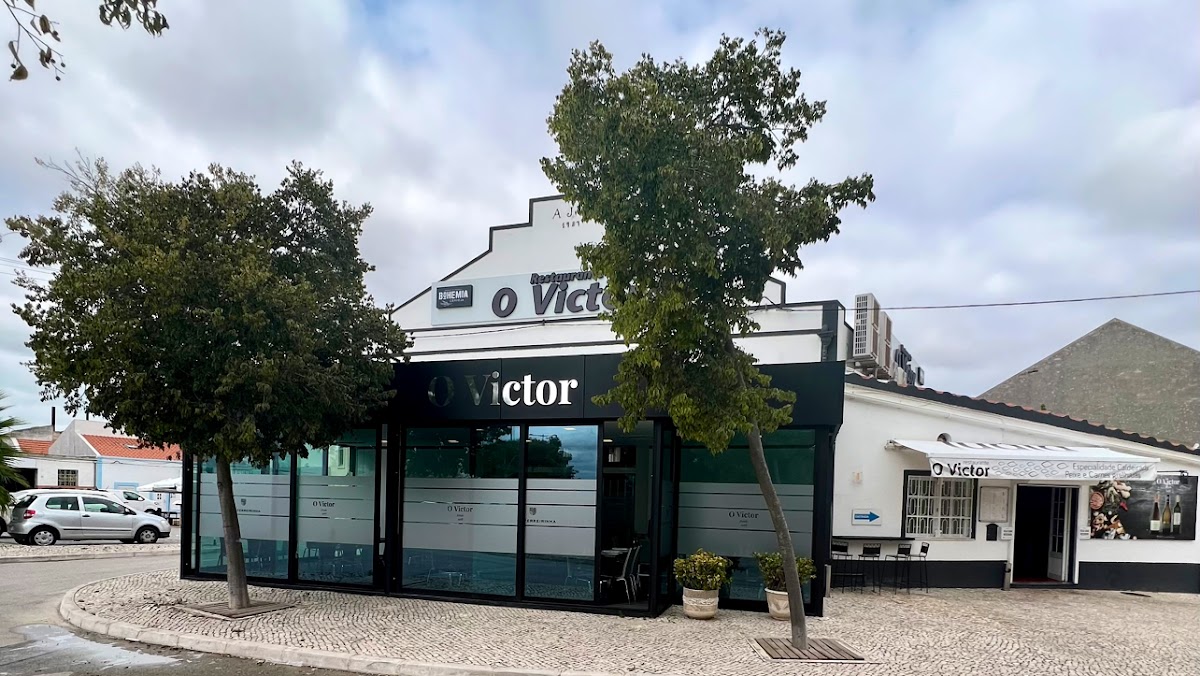
Overview
If you’re wandering through Montijo and craving honest Portuguese flavors, O Victor is the kind of place that quietly wins you over. Tucked away at Additional R. António Semedo 5 2870, 2870-186 Montijo, Portugal, this local diner doesn’t rely on flashy décor or trendy gimmicks. Instead, it leans into what truly matters: generous portions, traditional recipes, and the comforting buzz of a dining room filled with regulars who clearly know they’ve found something good.
The first time I visited, it was a late weekday lunch. The menu read like a greatest hits list of Portuguese cuisine-grilled sardines, bacalhau à brás, tender bifanas, and slow-cooked cozido. I opted for the grilled sea bass, a staple along Portugal’s coastline. The fish arrived simply prepared, drizzled with olive oil, garlic, and a squeeze of lemon. It tasted fresh, flaky, and balanced. According to data from the Food and Agriculture Organization, Portugal consistently ranks among Europe’s top seafood consumers per capita, and one bite here explains why. Freshness isn’t a luxury-it’s an expectation.
What stands out at O Victor is how they execute familiar dishes with care. Take their bacalhau. Cod has been a symbol of Portuguese culinary identity for centuries, with historians estimating over 1,000 traditional variations. Here, the version is creamy but not heavy, layered with onions and thin-cut potatoes that retain just enough bite. The preparation method feels deliberate. From what I observed, the kitchen keeps the heat moderate to avoid drying out the fish, a small but crucial step that separates average from memorable.
The restaurant’s atmosphere feels lived-in and welcoming. Wooden tables, no-nonsense table settings, and the low hum of conversation give it that classic neighborhood tavern vibe. It’s the kind of location where families gather on Sundays and workers drop in for hearty weekday lunches. Reviews from locals frequently mention value for money, and I can confirm that portions are more than fair. In fact, a typical lunch menu here often includes soup, a main course, bread, a drink, and coffee-an offering that reflects Portugal’s strong café culture and communal dining habits.
I also spoke briefly with one of the staff members, who explained that many recipes are based on family traditions passed down over decades. That aligns with what culinary experts from institutions like the Basque Culinary Center often highlight: authenticity thrives when restaurants preserve generational techniques. At O Victor, you can taste that continuity. Nothing feels rushed or industrial. The grilled meats, for example, are cooked over open flame, allowing a subtle smokiness to develop naturally rather than relying on heavy seasoning.
Another highlight is the dessert selection. The homemade pudim flan and arroz doce are worth saving room for. The rice pudding, lightly dusted with cinnamon, strikes that perfect balance between sweet and creamy. It’s simple, but that’s the charm. Portuguese desserts traditionally focus on eggs, milk, and sugar-ingredients deeply rooted in conventual recipes dating back to the 15th century.
In terms of practical details, the Montijo location makes it accessible whether you’re a local resident or just exploring the Setúbal district. Parking nearby is usually manageable, though weekends can get busy. It’s worth noting that peak hours fill up quickly, so arriving a bit earlier than the typical lunch rush can make the experience smoother.
While the menu centers heavily on traditional fare, it may not cater extensively to specialized diets like vegan or gluten-free options. That’s something to keep in mind if you have specific dietary needs. However, the staff are approachable and generally willing to clarify ingredients or suggest suitable dishes.
What keeps drawing people back isn’t innovation; it’s reliability. O Victor represents the heart of Portuguese dining culture-good food, fair prices, and genuine hospitality. Every plate tells a story of regional pride, and every visit feels like stepping into a community ritual where food is both sustenance and connection.
Good to know
From the business
✓ Identifies as women-ownedService options
✓ Takeaway ✓ Dine-in ✓ DeliveryHighlights
✓ Great coffee ✓ Great dessert ✓ Great wine listPopular for
✓ Lunch ✓ Dinner ✓ Solo diningAccessibility
✓ Wheelchair-accessible car park ✓ Wheelchair-accessible entrance ✓ Wheelchair-accessible seating ✓ Wheelchair-accessible toiletOfferings
✓ Alcohol ✓ Beer ✓ Coffee ✓ Private dining room ✓ Spirits ✓ WineDining options
✓ Lunch ✓ Dinner ✓ Dessert ✓ Seating ✓ Table serviceAmenities
✓ ToiletAtmosphere
✓ Casual ✓ Cosy ✓ QuietCrowd
✓ Groups ✓ TouristsPlanning
✓ Lunch reservations recommended ✓ Dinner reservations recommended ✓ Accepts reservationsPayments
✓ Credit cards ✓ Debit cards ✓ NFC mobile payments ✓ Credit cardsChildren
✓ Good for kids ✓ High chairsParking
✓ Free of charge street parking ✓ Free parking lot ✓ ParkingPhotos
1 / 4
Location
Reviews
- No ratings yet 1133 reviews
Wowww, This was an experience This is probably one of the best fish/seafood restaurants I've been in many years. As a Portuguese, my standards are high and in Victor they exceeded in every level From the freshness fish that you choose before you eat, with a wide range of daily caught, to the service that was incredible. They treat you as a friend without never crossing any limits, super attentive and anticipating anything you may ask for. Loved the decoration too and honestly the price you pay is ridiculous for the experience you have. Surely I will come back. Thank you guys
Excellent fish, good atmosphere, friendly stay, must go restaurant, but make sure to get there early because it's very popular
This is a great fish and seafood restaurant, close to the marina in Montijo. When you arrive, you get to choose from the freshly caught fish and seafood (depending upon the size of your group) and then take a seat at your table. The sea bass was so tasty - crispy skin and tender soft flesh. The wine selection has a great Portuguese Alvarinho which pairs very well with seafood. The restaurant also has a great selection of homemade cakes which are very tasty. The staff are super friendly and knowledgeable about the freshly caught fish. Such a great find, we will be back soon.
Excellent, extremely fresh fish, chose and they cook over coals, very friendly staff, loads of space and very clean. Will be back.
Very good restaurant,here i ate the best fish in portugal!!!!Freindly servic,good place!Thank you!!
I'm a regular customer, totally recomend, the best fish in portugal
Great food and awesome service and attention from the waiters. Not the cheapest place in town - but we'll priced for quality of seafood. I would have rated this place a 5* but certain food items on the menu were not available. Awesome place to go and have a great meal with friends and family. Phone and book as it can get quite busy.